

Chemical Peels
Chemical peels have long been a trusted skincare treatment for achieving smoother, brighter, and more youthful-looking skin. These versatile procedures offer a range of benefits, from reducing fine lines and wrinkles to improving skin texture and tone. Let’s delve into the world of chemical peels and discover how they can rejuvenate your complexion.
Benefits

Exfoliation: Chemical peels work by exfoliating the outermost layer of the skin,
removing dead skin cells, dirt, and debris. This process reveals fresh, new skin underneath, resulting in a smoother and more radiant complexion.
Collagen Stimulation: Certain chemical peels, such as those containing alpha hydroxy acids (AHAs) or trichloroacetic acid (TCA), can stimulate collagen production in the skin. Collagen is essential for maintaining skin elasticity and firmness, leading to a more youthful appearance.
Wrinkle Reduction: Chemical peels can help minimize the appearance of fine lines
and wrinkles, particularly those caused by sun damage and aging. By promoting cell turnover and collagen synthesis, chemical peels can soften wrinkles and improve overall skin texture.
Pigmentation Correction: Hyperpigmentation, including sun spots, age spots, and post-inflammatory hyperpigmentation, can be effectively treated with chemical peels. Peels containing ingredients like glycolic acid or salicylic acid can lighten dark spots and even out skin tone for a more uniform complexion.
Acne Treatment: Chemical peels are a valuable tool in the treatment of acne and acne scars. Peels containing beta hydroxy acids (BHAs) such as salicylic acid can penetrate deep into the pores, unclogging them and reducing acne breakouts. Additionally, chemical peels can help fade acne scars and improve overall skin texture.
Improved Skin Texture: Chemical peels can address various texture concerns, including roughness, unevenness, and dullness. By exfoliating the skin and stimulating cell turnover, peels can leave the skin smoother, softer, and more refined.
Types of Chemical Peels
Superficial Peels: These mild peels are ideal for addressing minor skin concerns such as dullness, fine lines, and uneven tone. They typically contain alpha hydroxy acids (AHAs) or beta hydroxy acids (BHAs) and require little to no downtime.
Medium Peels: Medium-depth peels penetrate deeper into the skin and are effective for treating moderate skin imperfections such as sun damage, pigmentation, and shallow wrinkles. They often contain trichloroacetic acid (TCA) and may require several days of downtime for recovery.
Deep Peels: Deep chemical peels provide significant skin rejuvenation by targeting deep wrinkles, severe sun damage, and acne scars. These peels contain high concentrations of TCA or phenol and require a more extended recovery period.
Whether you’re looking to refresh your complexion, diminish signs of aging, or tackle stubborn skin concerns, chemical peels offer a customizable solution to suit your needs. Consult with a skincare professional to determine the most suitable peel for your skin type and concerns, and embark on your journey to smoother, more radiant skin with confidence.
Specific Treatment Areas
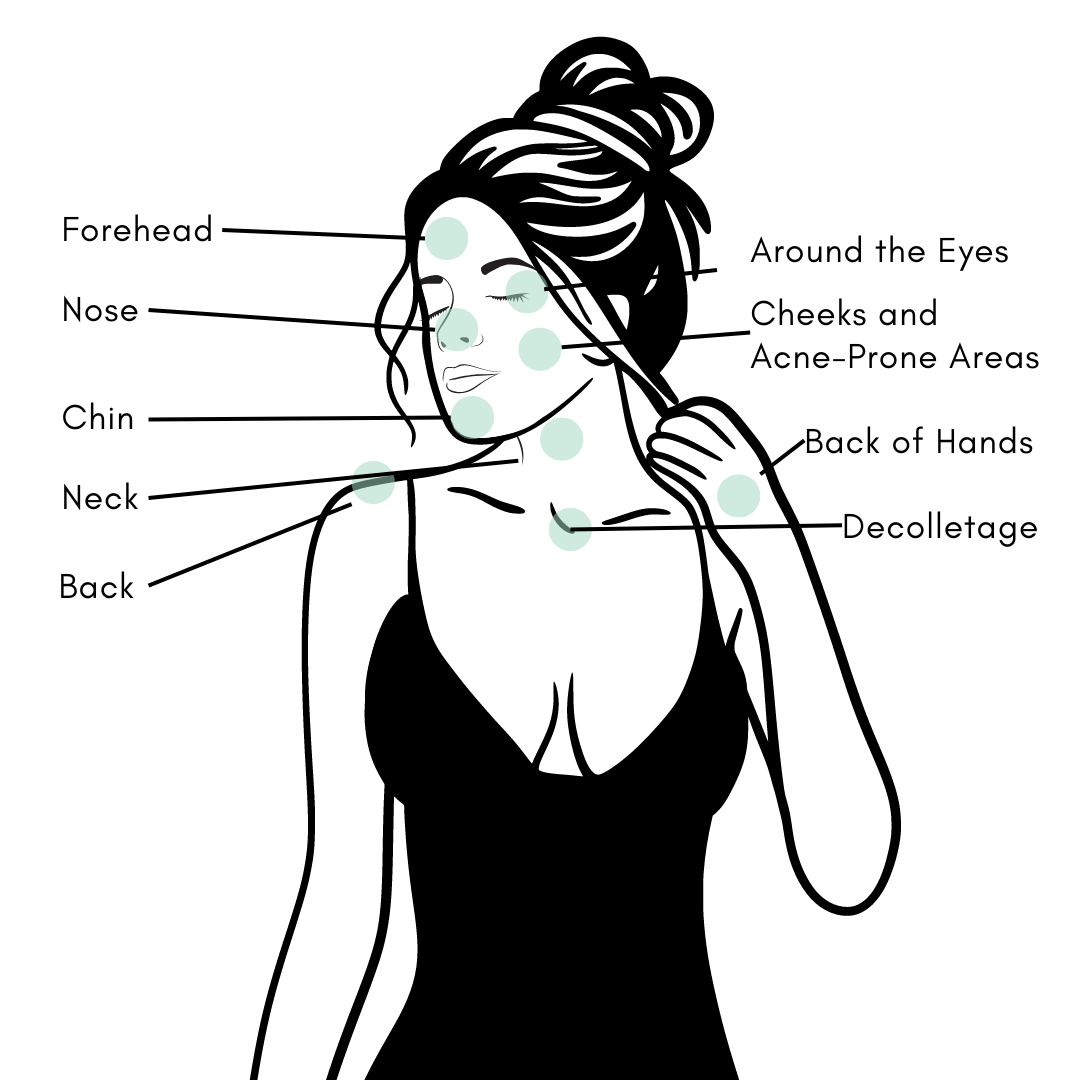
Forehead: Chemical peels can address forehead lines, wrinkles, and uneven
texture, revealing smoother skin.
Cheeks: Peels are effective for reducing pigmentation, sun damage, and acne scars
on the cheeks, resulting in a more even complexion.
Nose: Peels can unclog pores, reduce blackheads, and refine skin texture on the
nose, leading to clearer and smoother skin.
Chin: Chemical peels can minimize acne breakouts, improve skin tone, and reduce
excess oil production on the chin area.
Around the Eyes: Gentle peels can brighten dark circles, reduce fine lines, and
improve skin laxity around the delicate eye area.
Neck: Peels can smooth out wrinkles, tighten loose skin, and reduce the
appearance of neck bands for a more youthful neck contour.
Decolletage: Chemical peels can fade sunspots, smooth uneven texture, and
improve skin tone on the chest area, rejuvenating the decolletage.
Back of Hands: Peels can diminish age spots, improve skin texture, and reduce the
visibility of veins and wrinkles on the back of the hands, restoring a more youthful
appearance.
Back: Chemical peels can treat acne, acne scars, and pigmentation on the back,
revealing clearer and smoother skin.
Acne-Prone Areas: Peels can target oily and acne-prone areas such as the
forehead, nose, and chin, reducing acne breakouts and controlling excess sebum
production.
FAQ
What skin concerns can chemical peels address?
Chemical peels can improve the appearance of various skin concerns, including acne, acne scars, uneven skin tone, sun damage, fine lines and wrinkles, hyperpigmentation, and dullness.
How does a chemical peel work?
During a chemical peel, a solution containing exfoliating agents such as alpha hydroxy acids (AHAs), beta hydroxy acids (BHAs), or trichloroacetic acid (TCA) is applied to the skin. This solution breaks down the bonds between dead skin cells, allowing them to slough off and reveal fresh, new skin underneath.
What can I expect during a chemical peel treatment?
During a chemical peel treatment, your skin will be thoroughly cleansed, and the chemical solution will be applied evenly to the treatment area. You may experience a tingling or burning sensation during the application, which typically subsides after a few minutes. After the desired amount of time, the solution will be neutralized and removed.
Is there any downtime after a chemical peel?
The downtime after a chemical peel depends on the type and strength of the peel. Superficial peels typically have minimal downtime, with mild redness and peeling that lasts a few days. Medium and deep peels may result in more significant redness, swelling, and peeling that can last up to two weeks.
How many treatments are needed to see results?
The number of treatments needed varies depending on the individual’s skin concerns, the type of peel used, and the desired results. Some people may see improvement after a single treatment, while others may require a series of treatments spaced several weeks apart for optimal results.
Post Peel Instructions
After a peel, your skin may experience stinging, burning, redness, tightness, and sensitivity. There might also be slight swelling, superficial scabbing, peeling, and acne breakouts. These effects will gradually diminish over the course of a week. Occasionally, temporary darkening of the skin can occur, especially over pigmentation areas. If you experience unusual discomfort or a change in skin color, contact your doctor immediately.
Directions:
Neostrata Bionic Face Cream (with PHAs): Applied immediately following the peel. If you are more red than usual or have sensitive skin, the practice will provide a sample of the Neostrata Bionic range, which can be applied at night or as needed until the skin returns to a near-normal appearance.
To promote the healing process, you should:
Delay Application of Makeup: For 24 hours.
Delay Exercise: For 24 hours.
Apply Ample Moisturizing Cream/Lotion: Especially at night, for two to seven days for sustained comfort.
Avoid Certain Products: Avoid products containing alpha-hydroxy acids or any exfoliating ingredients such as Retinol until the skin returns to its normal condition (Day 3 onwards).
Avoid Abrasive Sponges or Washes: On the treated area for 7-14 days.
Avoid Sun Exposure: Until the skin returns to a normal appearance.
Use Sunscreen Daily: With at least SPF 30, formulated for use on the face.
Until the skin returns to normal (7-14 days), you should not:
– Peel the skin
– Wear tight headbands or hats
– Pick the skin
– Expose the skin to the sun or sun lamps
– Scrape the skin
– Use a mask on the skin
– Scratch the skin
Maintain your newly peeled skin by using the Neostrata Skin Care Range and always apply sunscreen.
Sensitive skin may tolerate products with poly-hydroxy acids better than products with alpha-hydroxy acids following a peel.