Botox has become one of the most well-known and widely used cosmetic treatments worldwide, synonymous with smooth, youthful-looking skin. This guide will take you through everything you need to know about Botox, from its origins and how it works, to the treatment process and potential side effects.
What is Botox?
Botox is the trade name for botulinum toxin type A, a neurotoxin produced by the bacterium Clostridium botulinum. While the term “toxin” may sound alarming, in controlled, small doses, Botox is a safe and effective treatment for various medical and cosmetic conditions. It’s primarily used to reduce the appearance of facial wrinkles and fine lines by temporarily paralyzing the underlying muscles.
How Does Botox Work?
Botox works by blocking the neurotransmitter acetylcholine, which is responsible for transmitting signals from nerves to muscles. When injected into specific facial muscles, it prevents these muscles from contracting. This muscle relaxation smooths out wrinkles and lines on the skin’s surface, particularly those caused by repetitive facial expressions such as frowning, squinting, or smiling.
Common Treatment Areas
Botox is versatile and can be used to treat a variety of facial areas, including:
Forehead Lines: Horizontal lines that appear when raising your eyebrows.
Glabellar Lines: Also known as frown lines or “11s,” these are the vertical lines between the eyebrows.
Crow’s Feet: Fine lines at the corners of the eyes, often visible when smiling.
Bunny Lines: Wrinkles on the sides of the nose that appear when you scrunch it.
Lip Lines: Vertical lines around the mouth, often seen in smokers.
Chin Dimpling: Irregularities on the chin surface, often described as “orange peel” skin.
The Botox Procedure
Getting Botox is a quick, minimally invasive procedure. Here’s what you can typically expect:
Consultation: Your first step is a consultation with a qualified healthcare provider to discuss your goals, medical history, and any potential concerns.
Preparation: The treatment area will be cleaned, and a topical anesthetic may be applied to minimize discomfort.
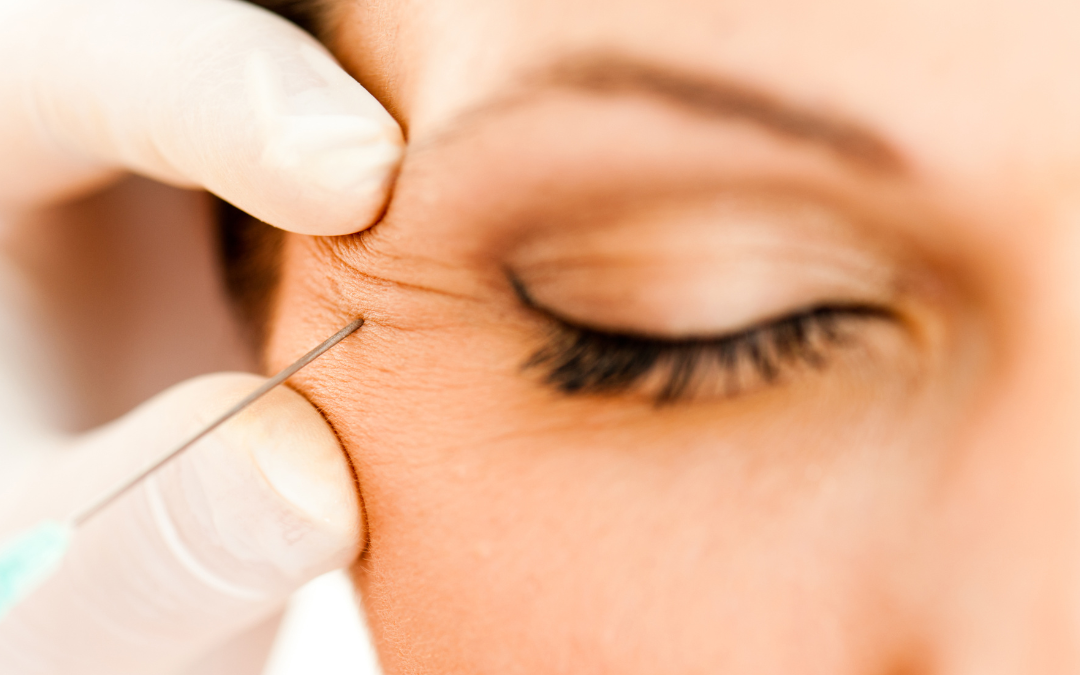
Injection: Using a fine needle, the provider will inject small amounts of Botox into the targeted muscles. The number of injections depends on the area being treated and the desired outcome.
Post-Treatment: You can usually return to your normal activities immediately. However, it’s advisable to avoid strenuous exercise, lying down, or rubbing the treated areas for at least 24 hours.
Results and Longevity
You may start noticing improvements within 3 to 5 days, with full results appearing within 1 to 2 weeks. The effects of Botox typically last between 3 to 6 months. As muscle action gradually returns, wrinkles and lines may reappear, signaling it’s time for another treatment session.
Safety and Side Effects
Botox is generally safe when administered by an experienced professional. However, as with any medical procedure, there are potential side effects, including:
Temporary bruising at the injection site
Mild pain or discomfort
Headache
Flu-like symptoms
Drooping eyelid or eyebrow (rare and usually temporary)
It’s crucial to follow post-treatment instructions and discuss any concerns with your provider to mitigate these risks.
Beyond Aesthetics: Medical Uses of Botox
While Botox is famous for its cosmetic benefits, it also has several medical applications. It’s used to treat conditions such as:
Chronic Migraines: Botox can help reduce the frequency of migraines.
Hyperhidrosis: Excessive sweating in areas like the underarms, hands, or feet can be managed with Botox.
Bruxism: Teeth grinding and jaw clenching can be alleviated with targeted Botox injections.
Muscle Spasms: Conditions like cervical dystonia (neck spasms) or blepharospasm (eyelid spasms) can benefit from Botox treatment.
Is Botox Right for You?
Botox is suitable for most individuals seeking to reduce the appearance of wrinkles and fine lines or manage certain medical conditions. However, it’s not recommended for pregnant or breastfeeding women, individuals with certain neurological conditions, or those allergic to any ingredients in Botox.
Botox offers a reliable solution for those looking to achieve smoother, younger-looking skin without the need for invasive surgery. Its applications go beyond aesthetics, providing relief for various medical conditions. If you’re considering Botox, consult with a qualified provider to discuss your goals, potential benefits, and any concerns you may have.
Taking the first step towards a rejuvenated appearance or improved quality of life could be as simple as scheduling a Botox consultation. Remember, the key to successful Botox treatment lies in the hands of a skilled and experienced professional.